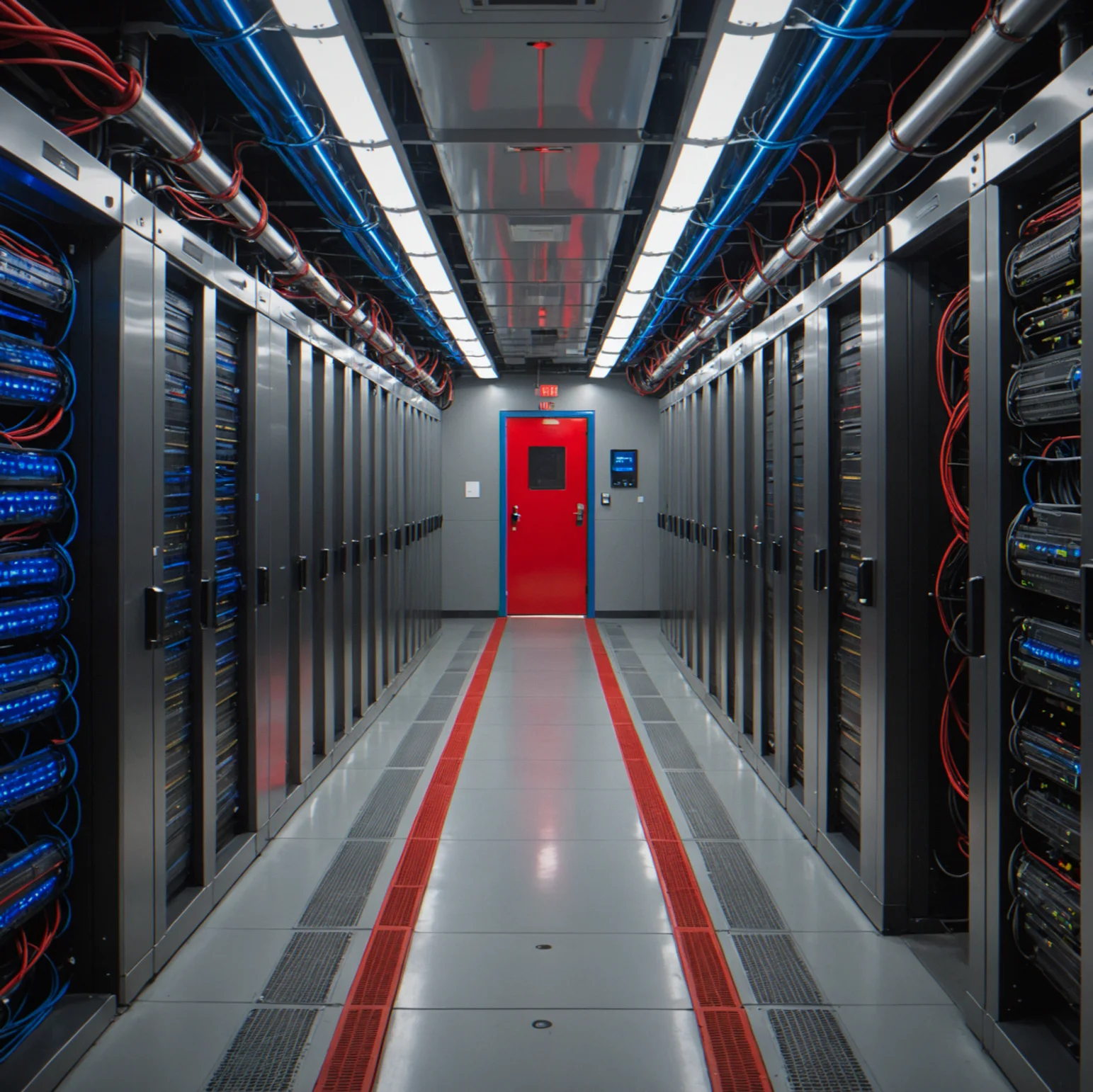
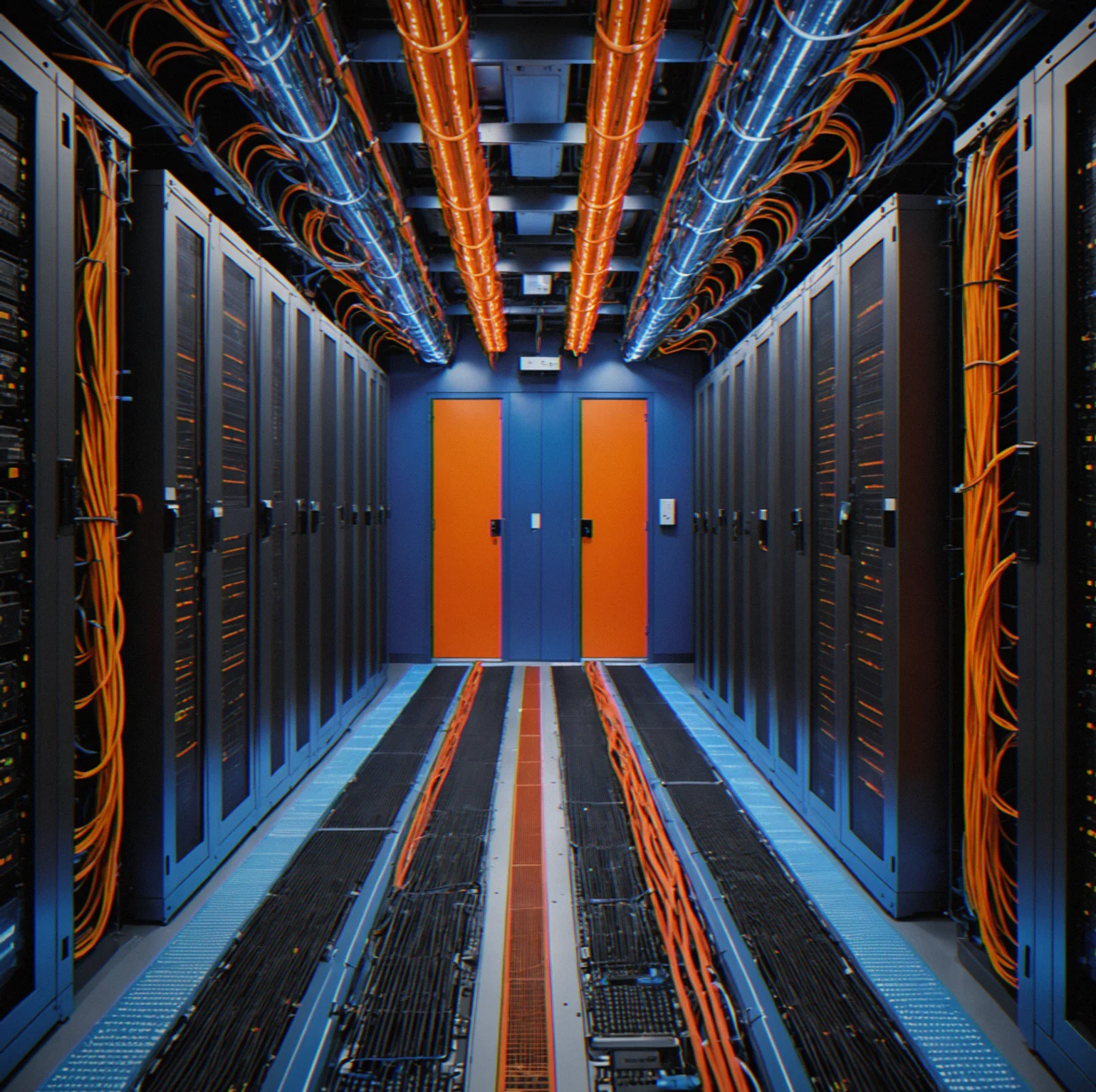
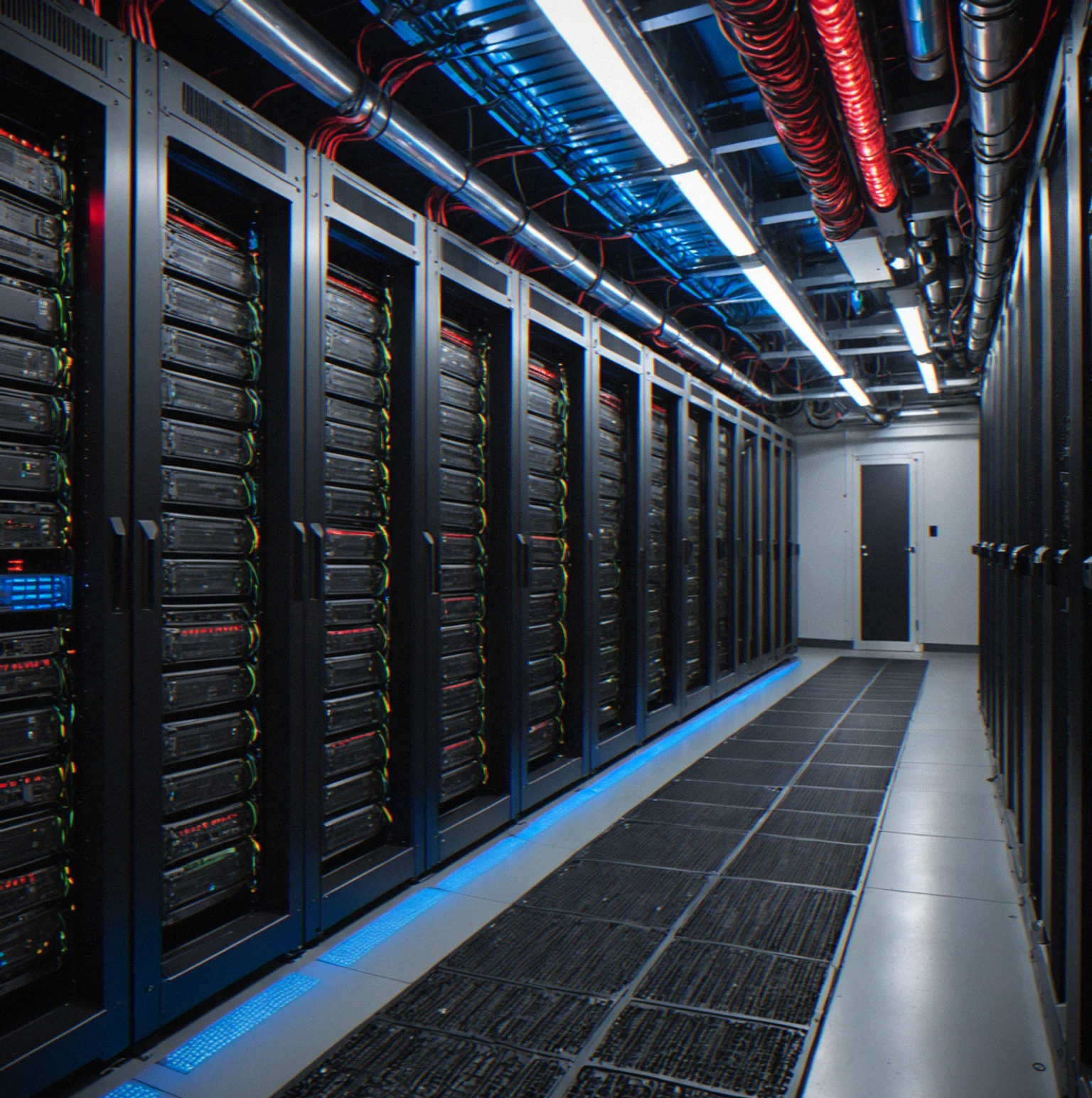
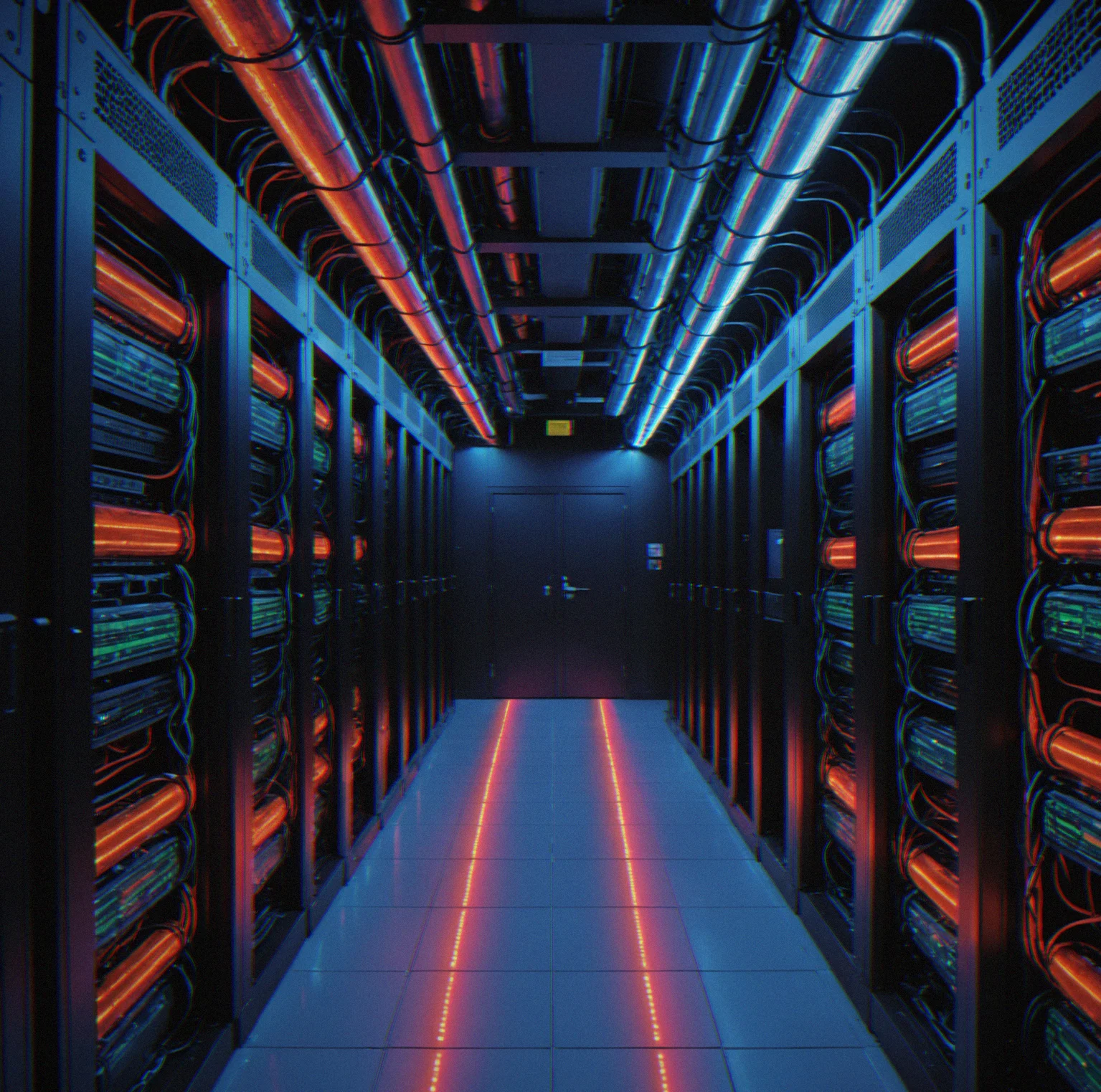
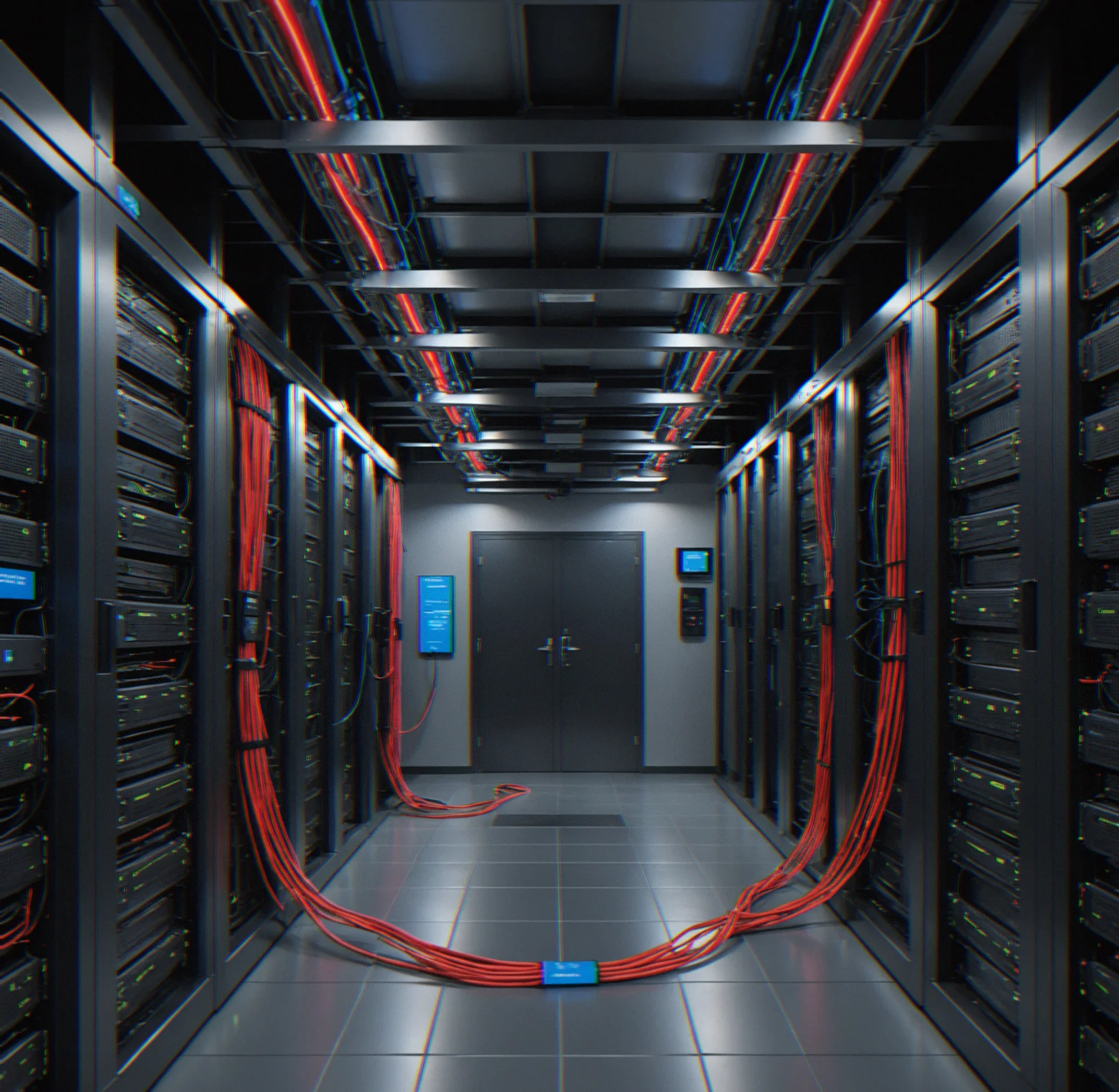
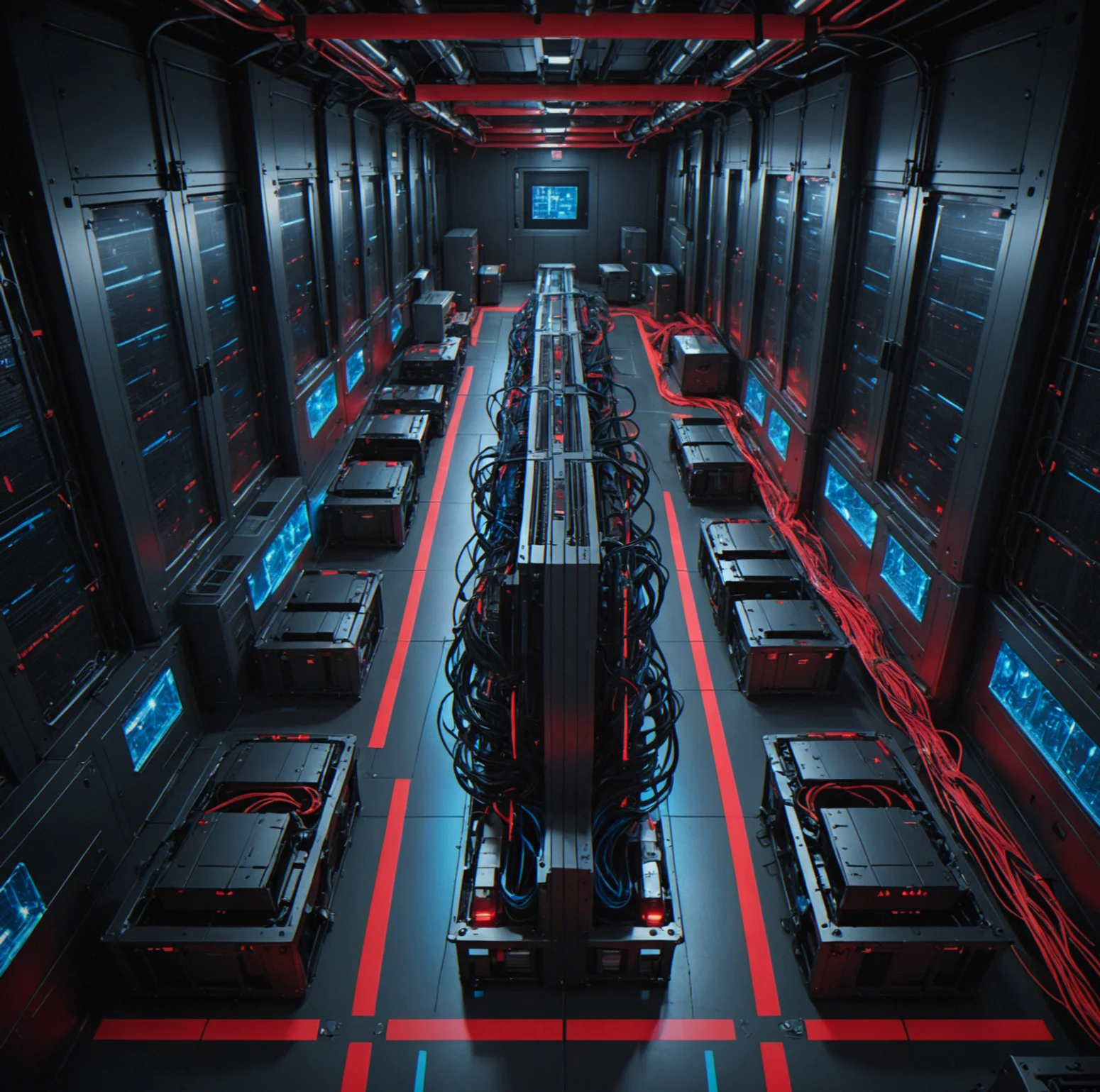
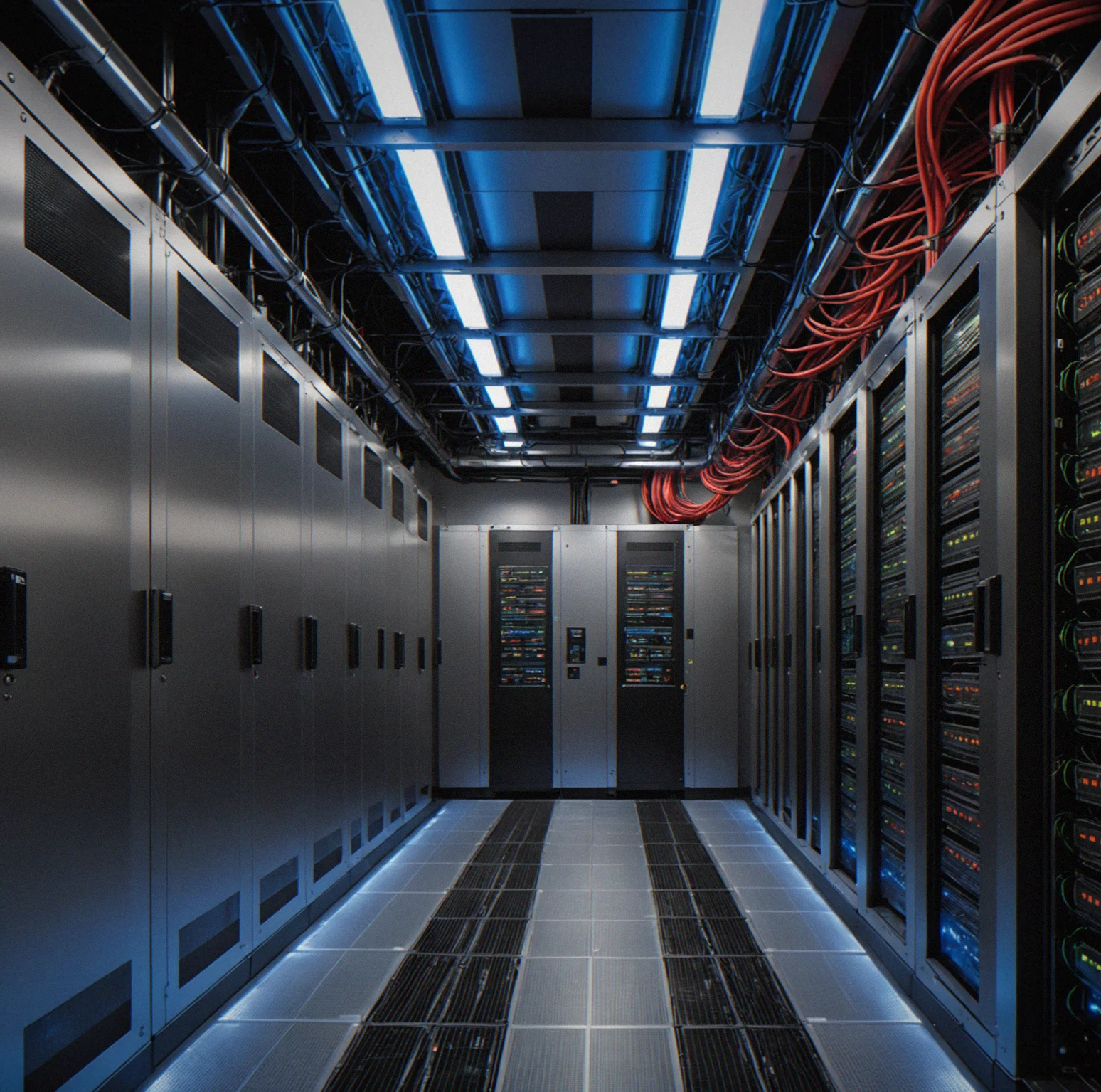
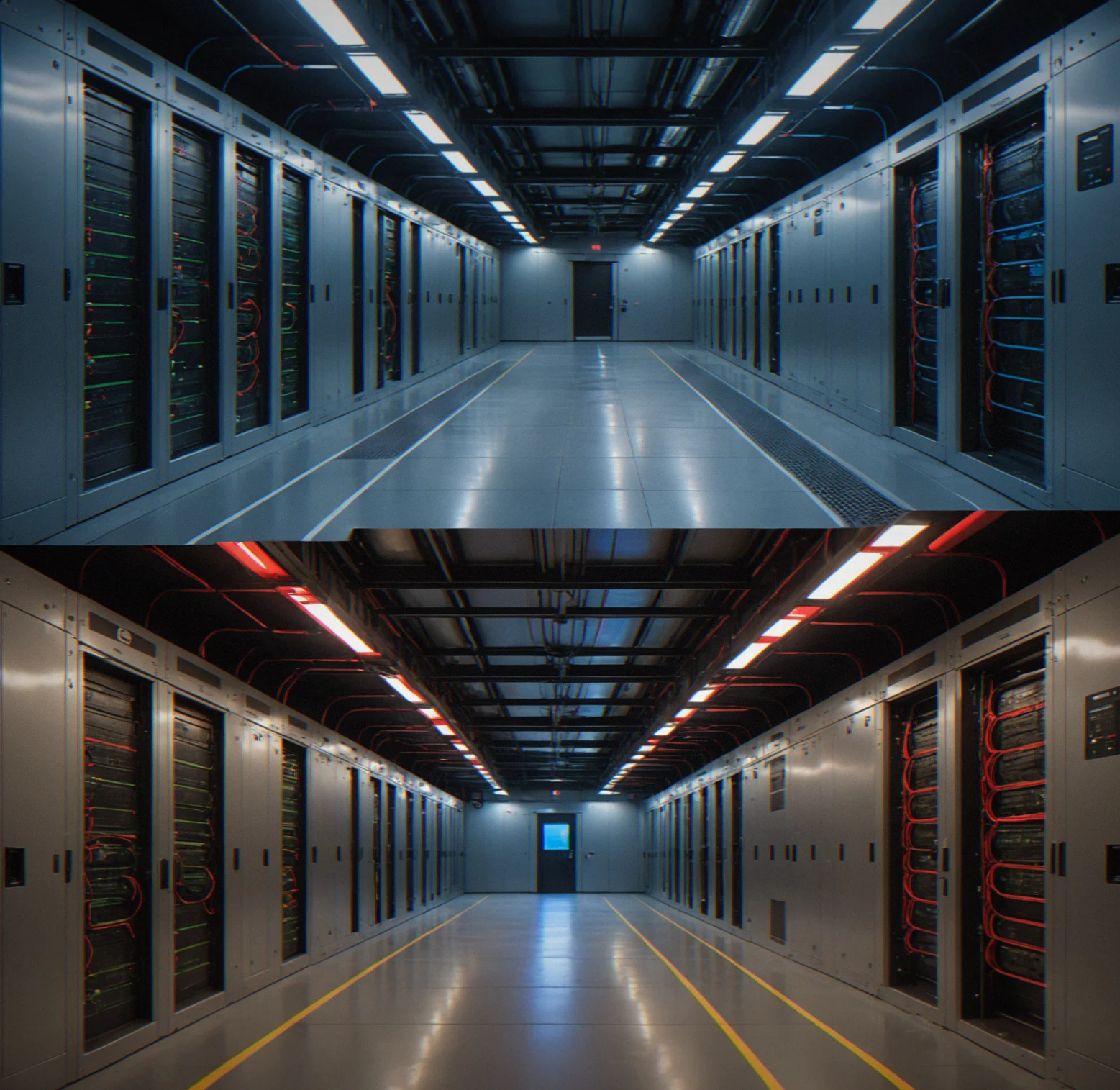
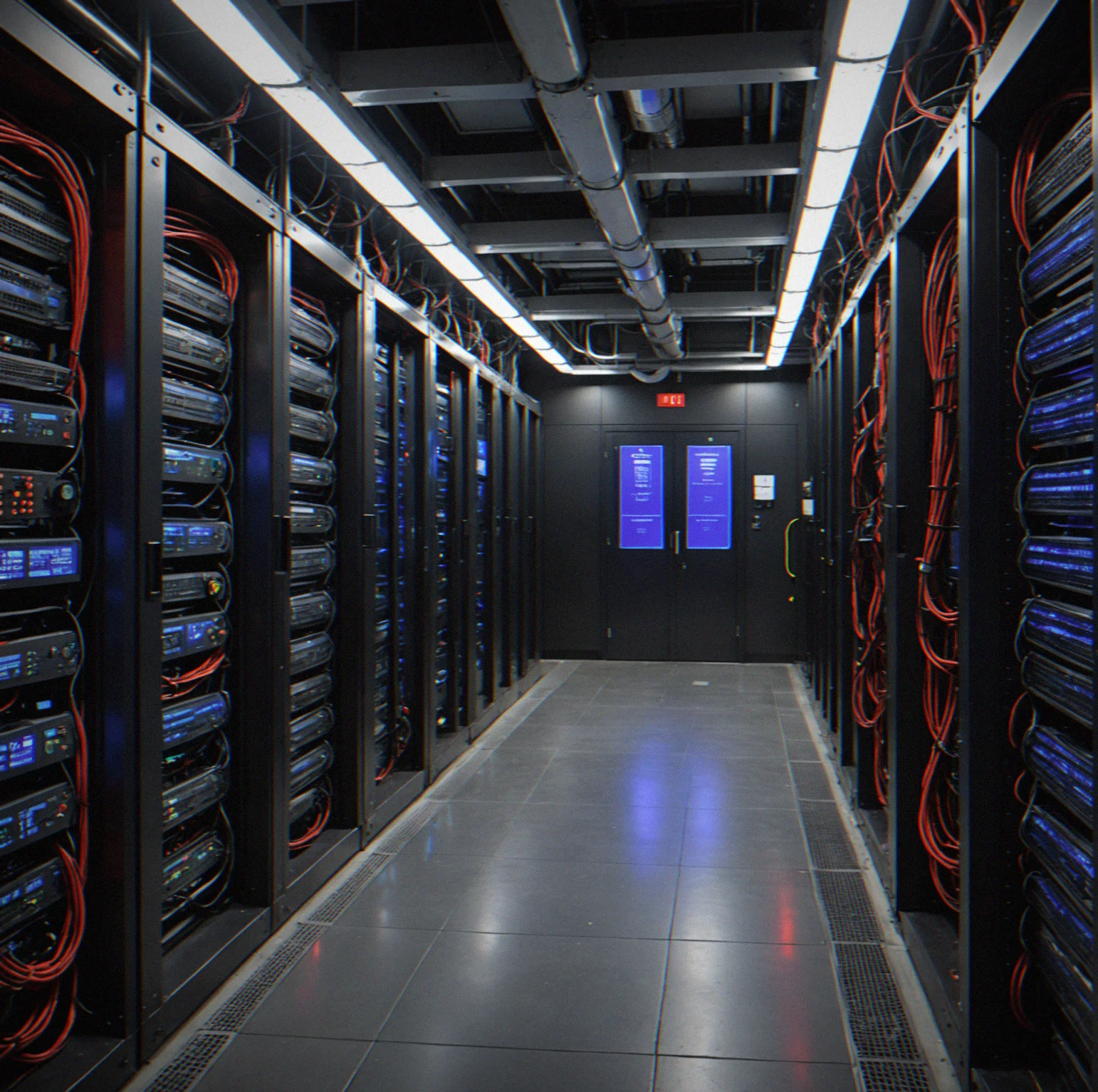
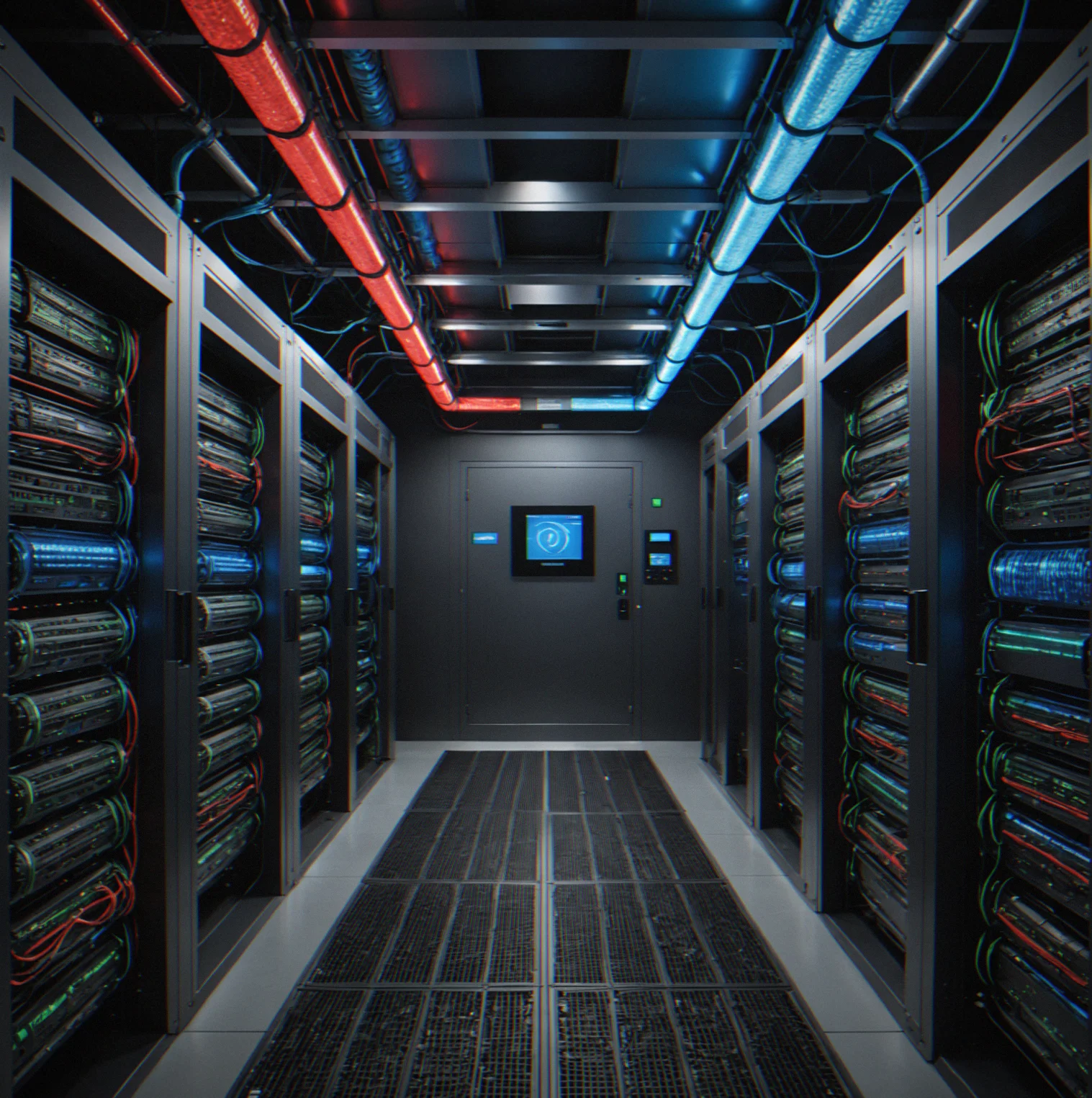
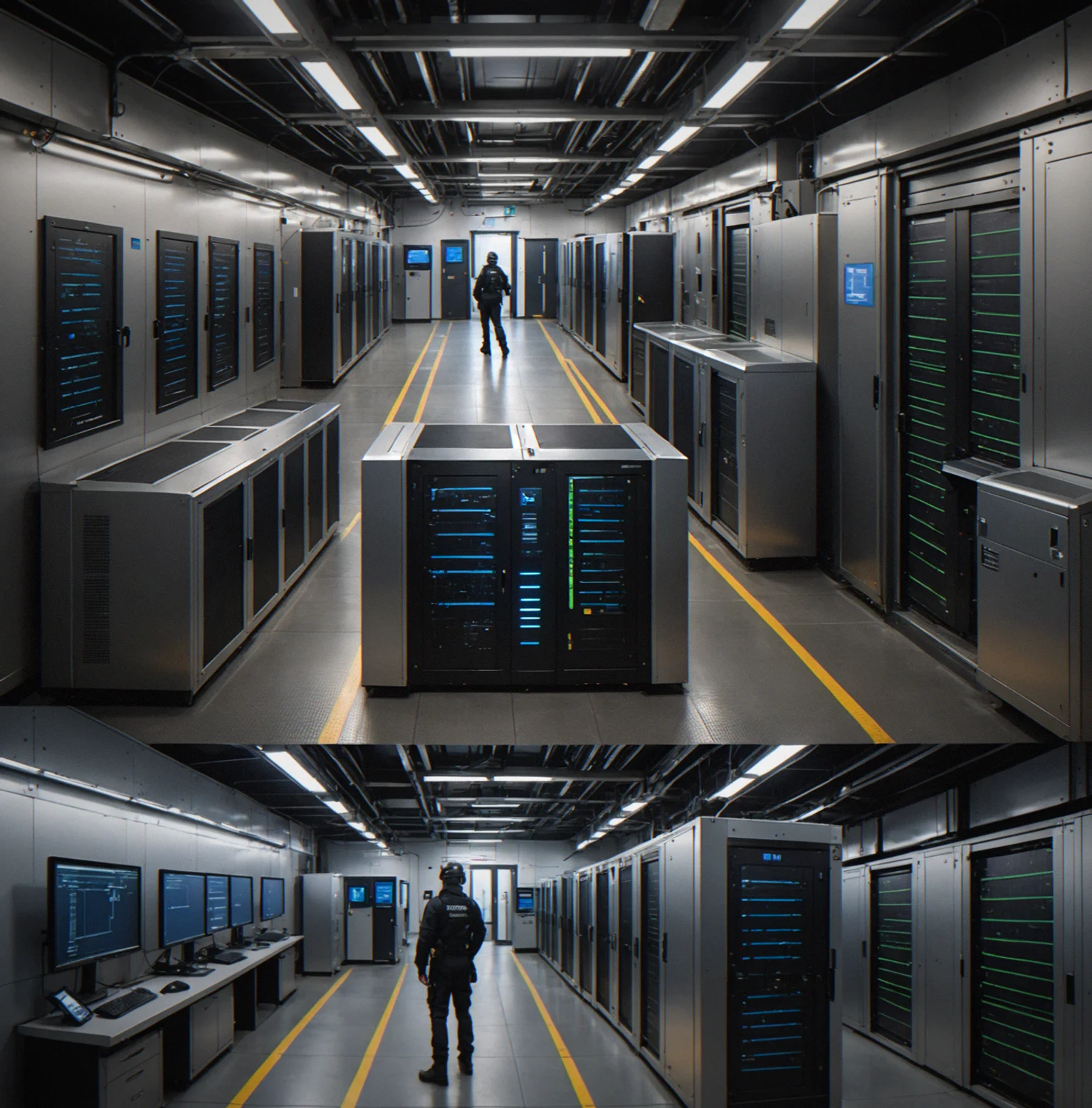
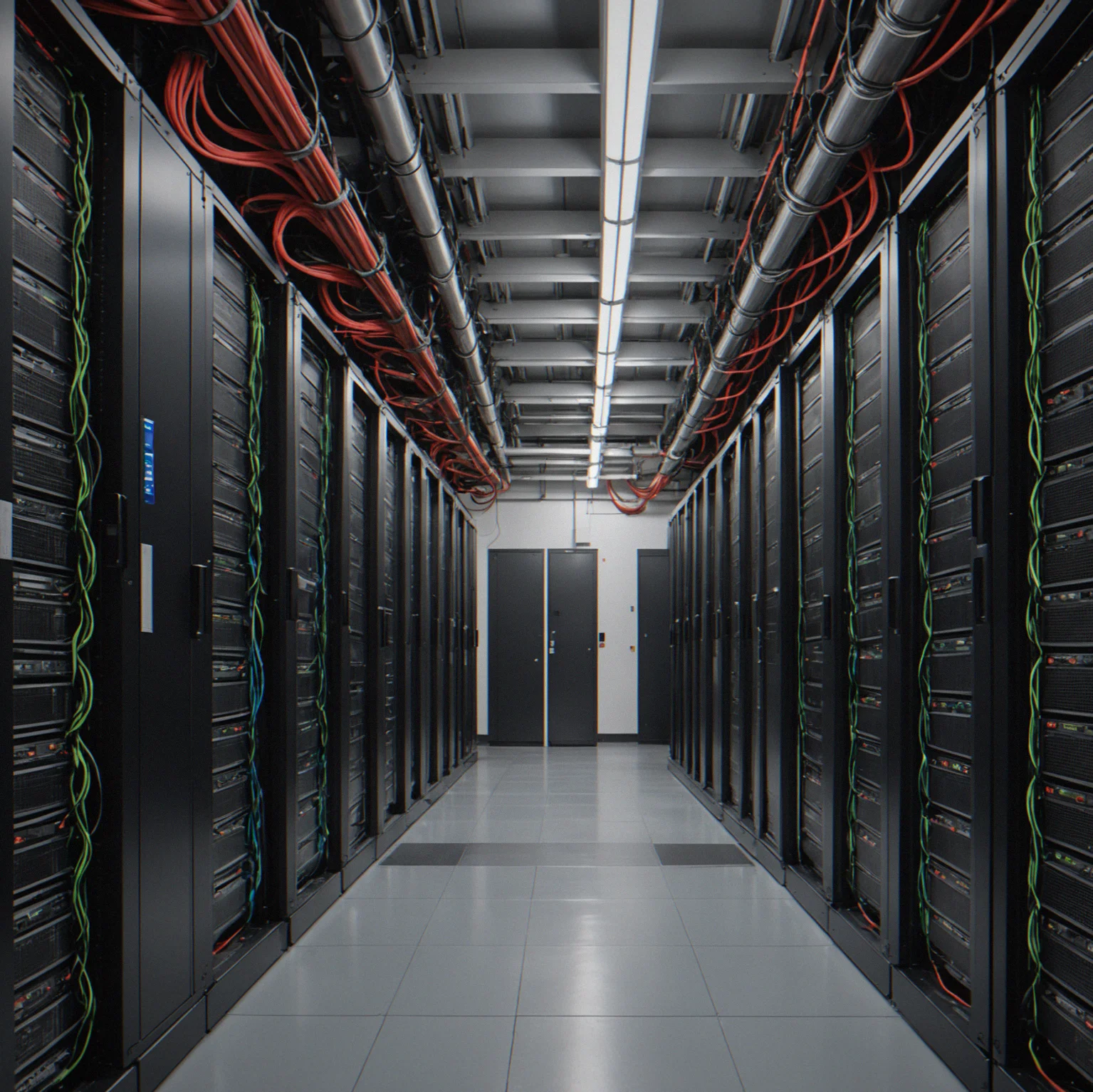
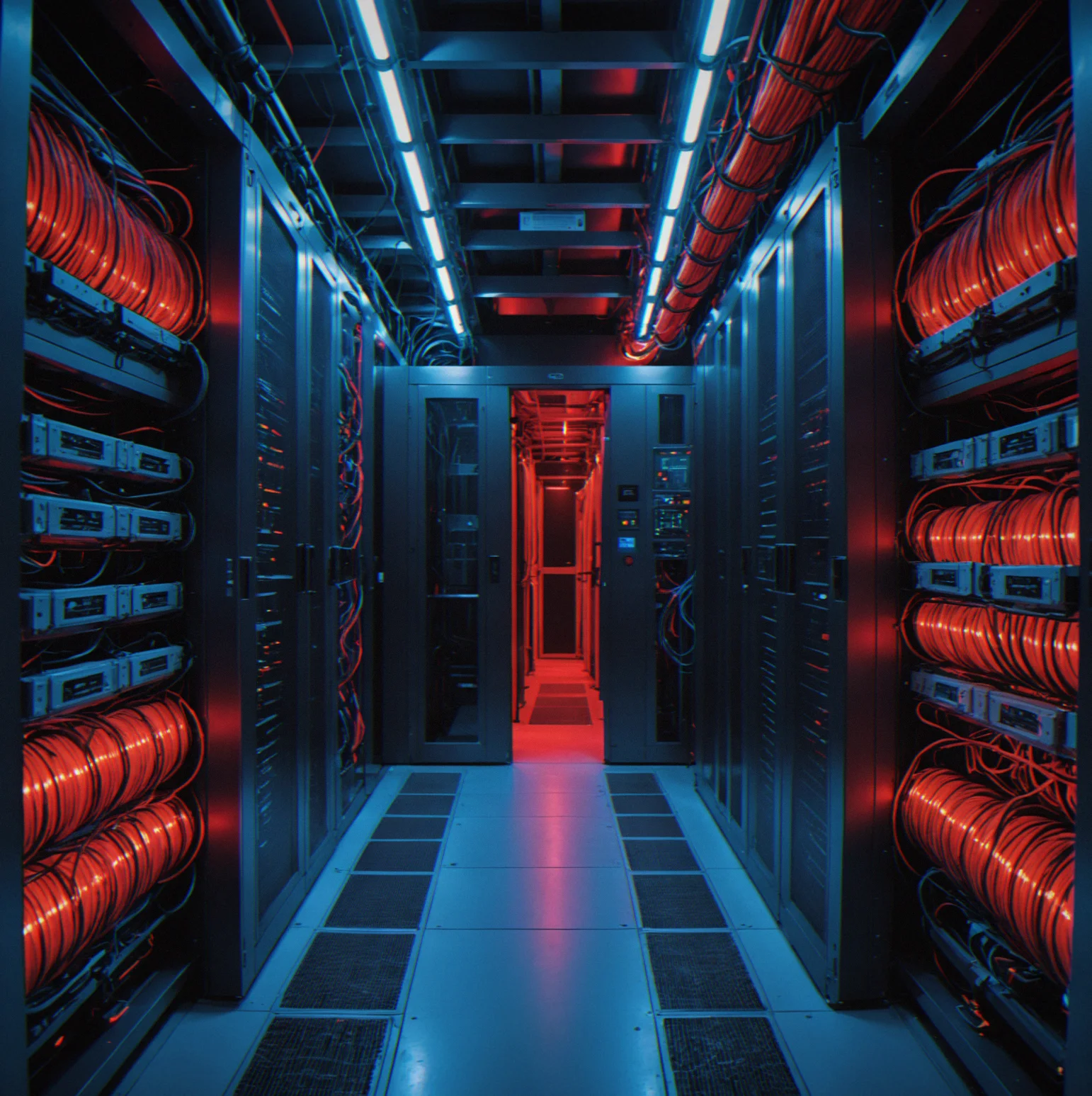
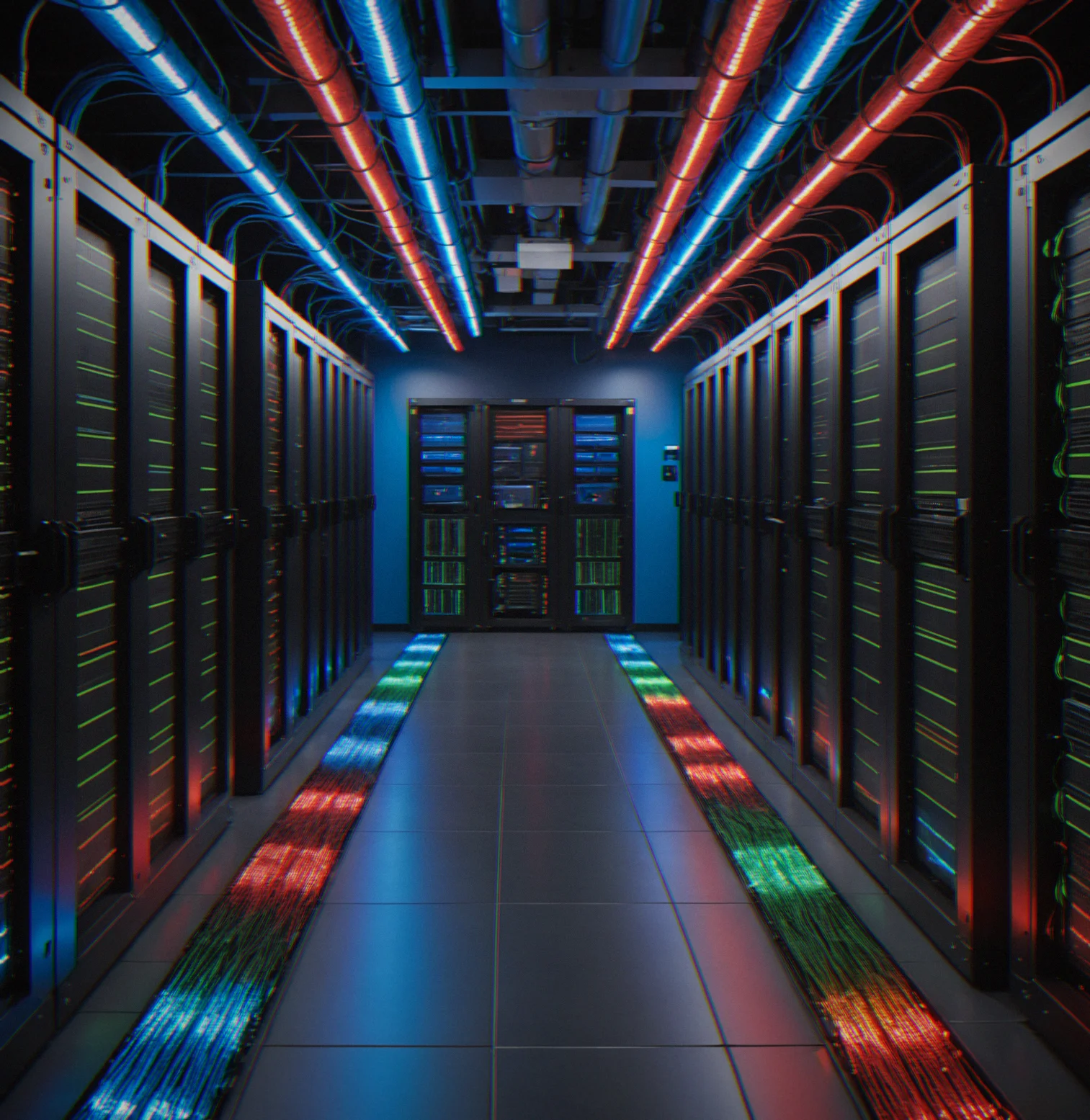
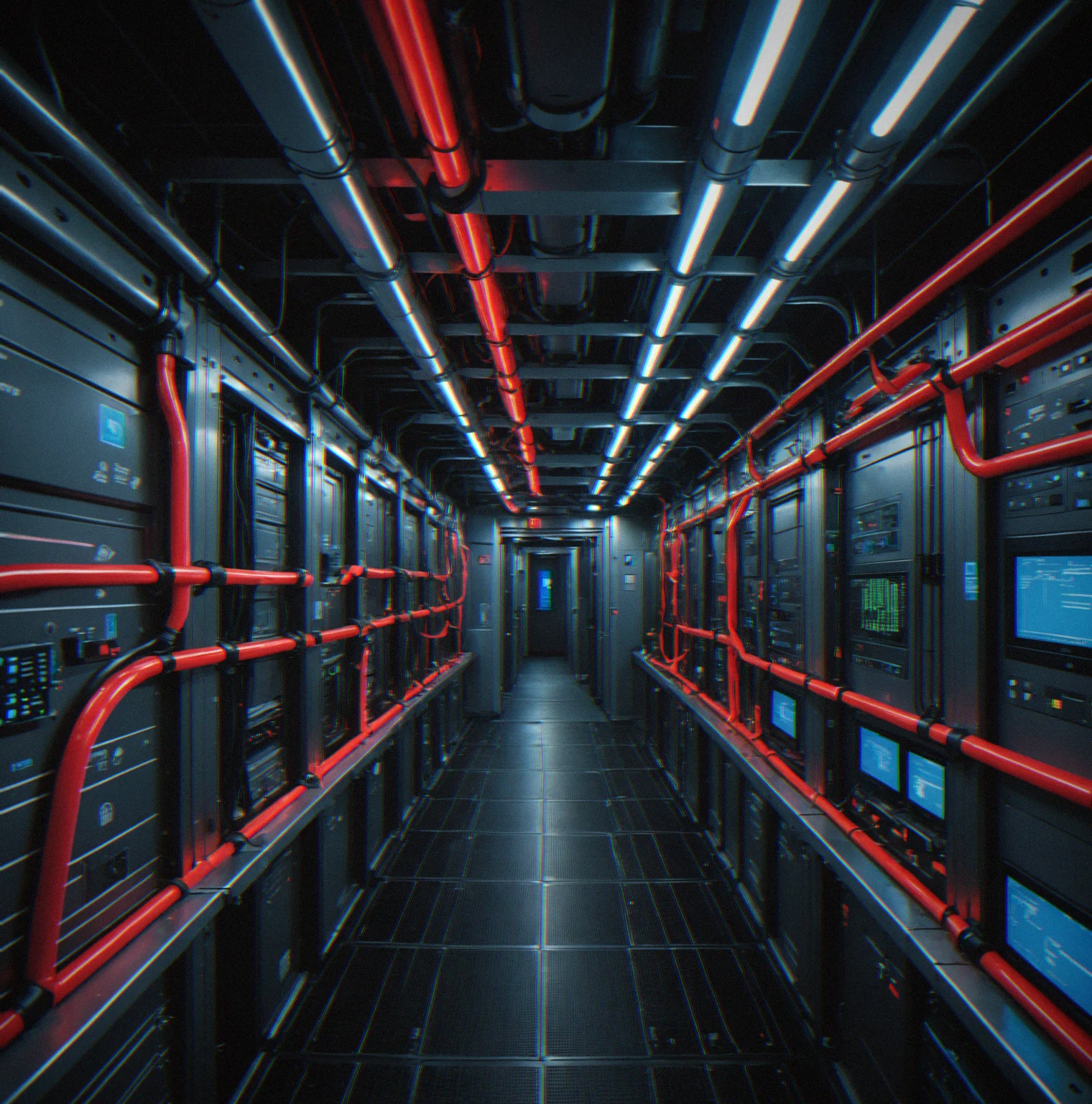
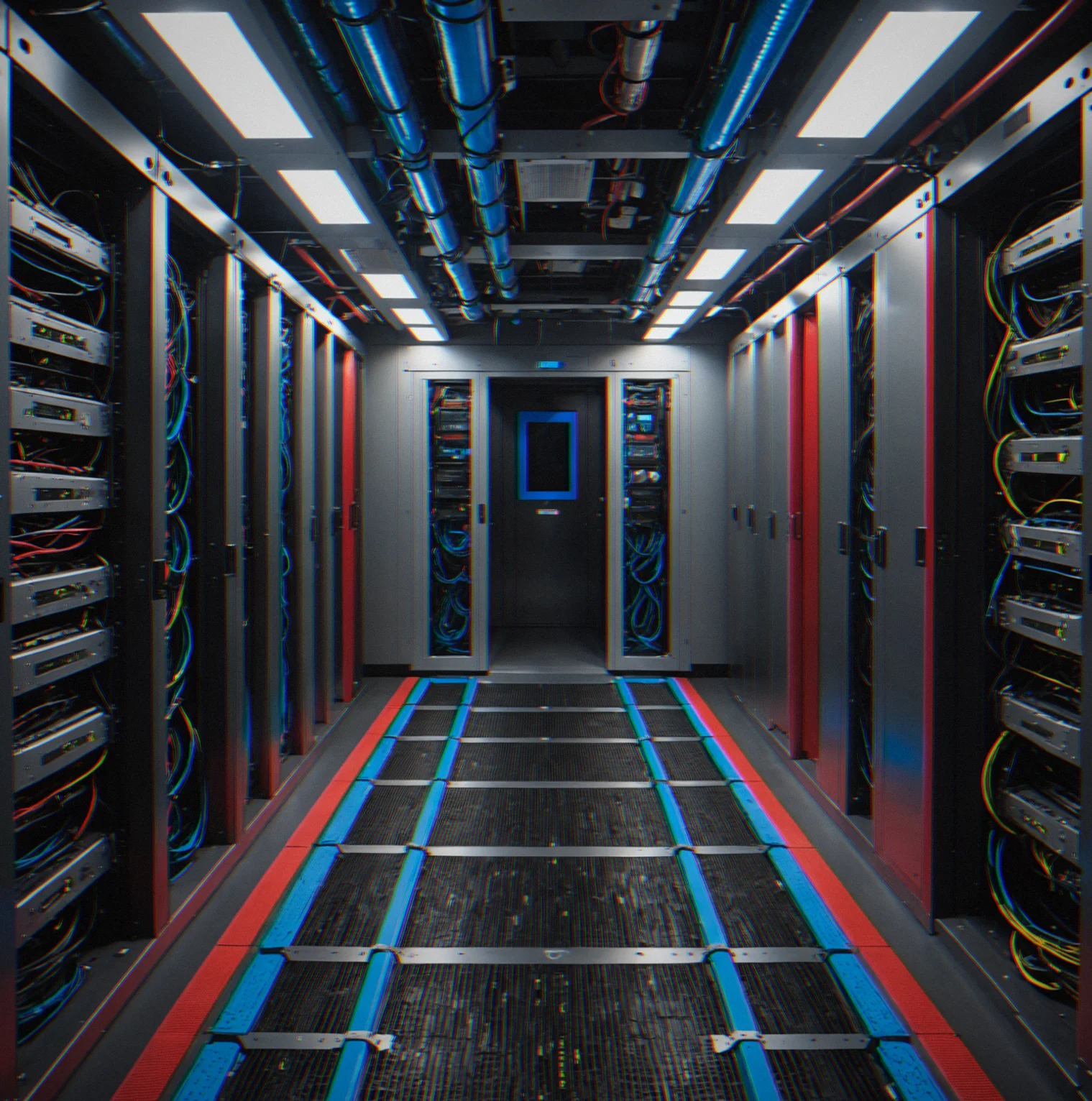
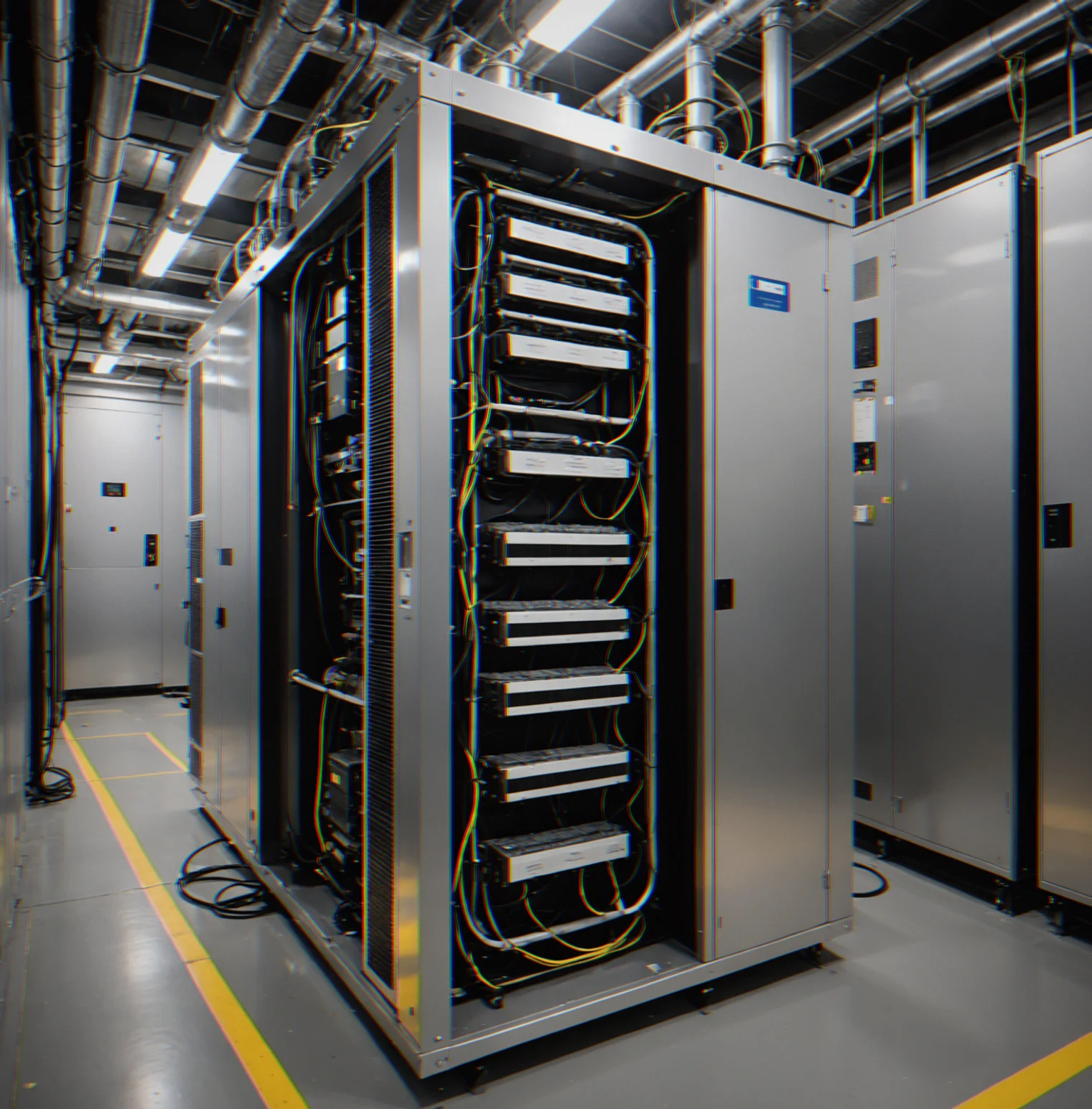
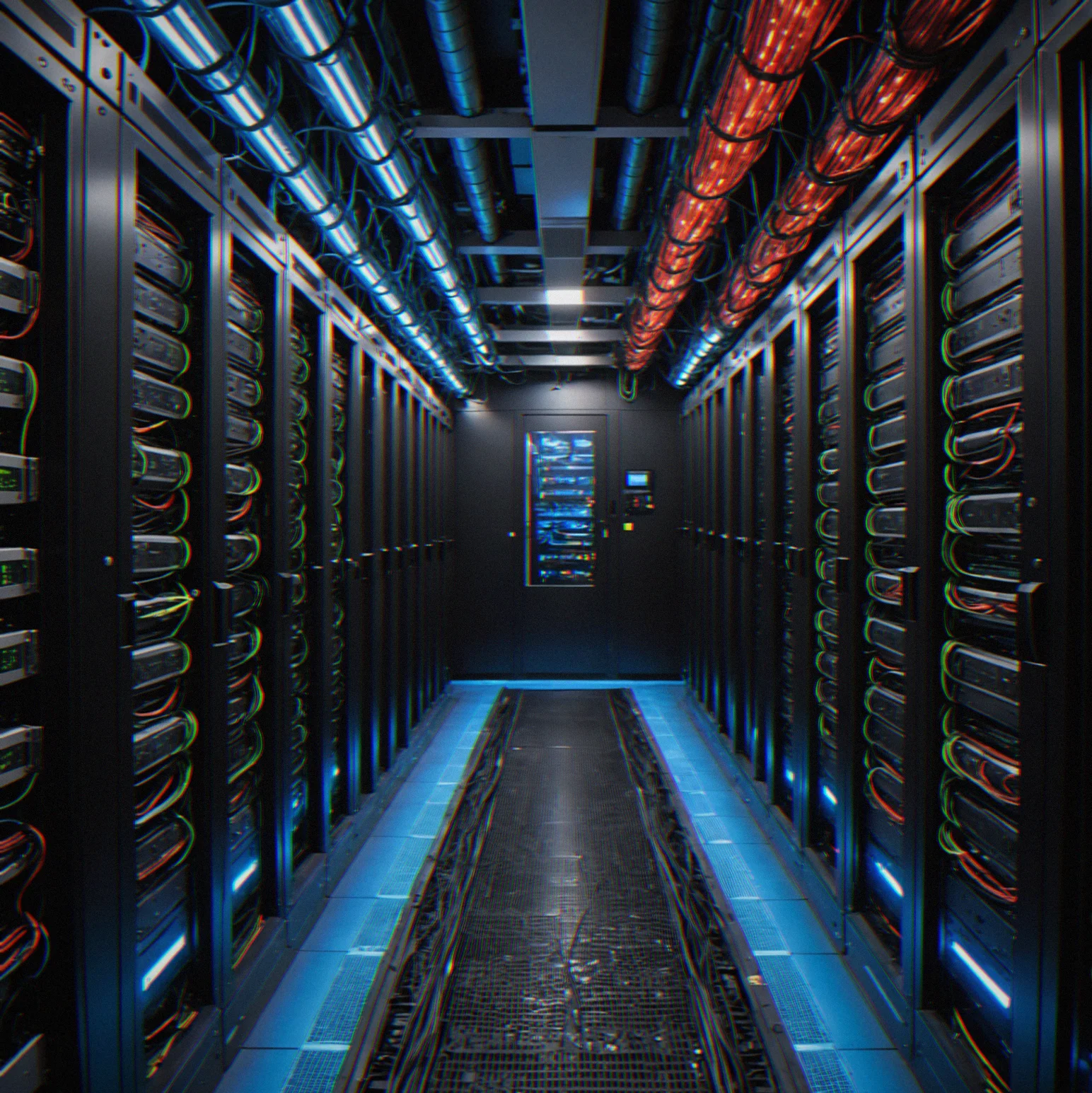
The network isn't some separate thing bolted onto the physical space—it's embedded in it. You can't just hack past a firewall if you're standing in the cold aisle, but camping there forever without watching what's happening on the network side is equally useless. Packet sniffing gives you actual visibility into what's moving. Unencrypted data flows right past you; encrypted stuff needs decryption or a firewall workaround. A few seconds of sniffer data tells you which systems are running, which ones are isolated, and which are about to start screaming alerts (and yeah, that matters).
Firewall traversal in Digitalridge isn't cinematic. You don't smash through in some cutscene. Instead you read the ruleset—either by hammering ports with a scan (loud, dangerous, eats time) or by getting someone who actually knows the config to slip you credentials. Once you understand how it works, you find the gaps. Spoof your MAC to look like legitimate traffic. Build packets the firewall thinks are internal. Slide across network segments laterally. The security setup is functional but human—someone built it, someone maintains it, someone will mess up. (Security chief is probably on their third coffee instead of watching for anomalies.)
Exfiltrating data means dealing with actual bandwidth constraints and time. A 5GB file moves totally differently on a 10Mbps link versus gigabit. Compression saves space but costs processing cycles. Splitting across multiple connections reduces detection risk but makes you louder overall. every choice is a tradeoff: do you go fast and obvious or slow and quiet, all at once or piece by piece. The network doesn't care which way you go. It just moves packets. The real decisions happen in how you generate them.